Logic School
6th through 8th Grade
Classical Prep is centered on the time-honored trivium, comprising three stages: grammar, logic, and rhetoric. At the Logic stage:
- Building on foundational skills from Grammar School (K-5) to develop their writing, thinking, and speaking.
- Emphasizing critical thinking and the liberal arts, setting Classical Pep apart from traditional public schools.
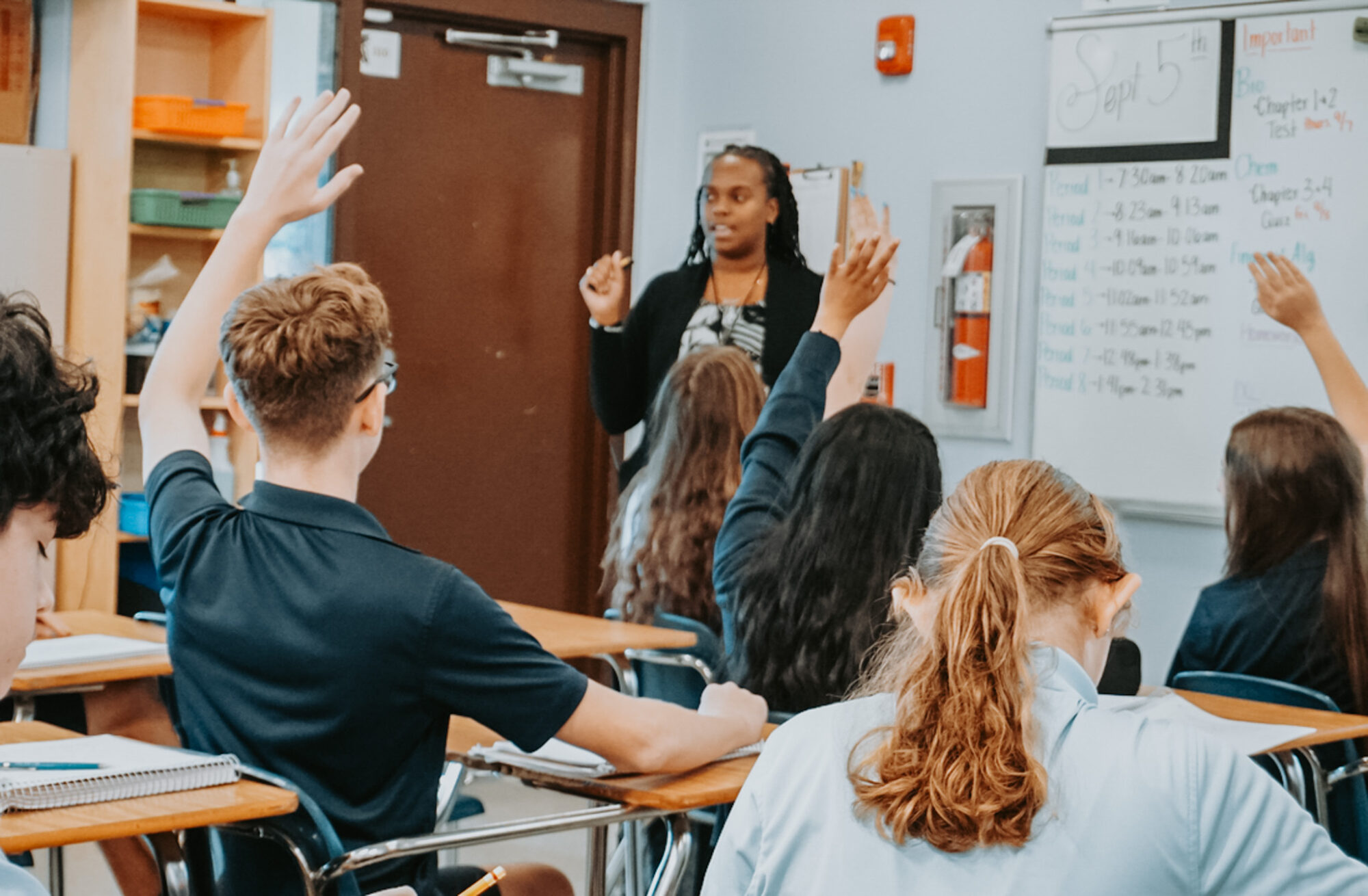
- Engaging scholars in rich discussion, inquiry, and debate to deepen analysis and logical reasoning.
- Offering all Middle School courses at an Advanced Level, requiring scholars to think critically across history, literature, science, and the arts.
- Developing the ability to synthesize information across subject areas, encouraging scholars to look beyond their own narrow world and recognize and understand the viewpoints of others, both past and present.
- Reinforcing character development through extracurricular activities and leadership opportunities.
- Encouraging active involvement in the school community and fostering a commitment to contributing meaningfully to local communities.
Character Development in Extracurricular Activities
Logic School Scholars have the opportunities to participate in:
Student Government: Provides scholars with the opportunity to develop leadership skills, make decisions that impact their school, and practice responsibility and teamwork.
National Junior Honor Society: Recognizing scholars’ academic excellence while fostering leadership, service, and character development.
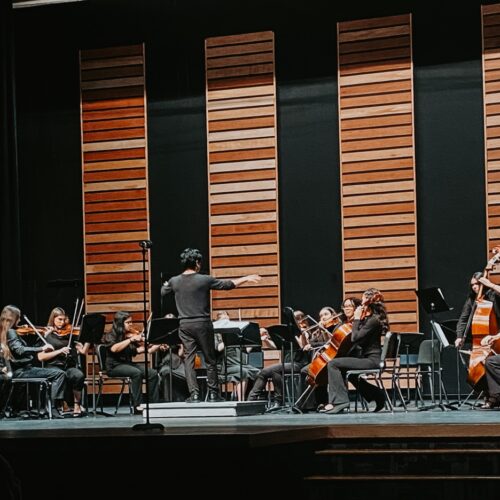
Clubs: Provide scholars with the opportunity to explore new interests, build friendships, and gain hands-on experience that enhances learning beyond the classroom. Some of our clubs include jazz band, art club, drama club, Odyssey of the Mind, and more!
Athletics: Helps scholars build teamwork, discipline, and physical fitness.
Benefits of a K-12 Classical Education at Classical Prep
Staying at Classical Prep from Kindergarten through 12th grade provides scholars with a consistent, supportive learning environment where each stage builds upon the last. From mastering core knowledge in Grammar school to sharpening critical thinking in Logic and refining communication in Rhetoric, scholars grow in both wisdom and character, preparing them to excel in college and beyond.